Cocktail Attire, Decoded: What the Dress Code Actually Means and How to Nail It
Cocktail attire is the dress code everyone claims to understand and half the room misjudges — the too-casual sundress, the too-formal gown — while the actual definition is a knowable middle. The cocktail decoder: the meaning, the formulas and the mistakes.
The Code Defined
What cocktail actually means: the formality coordinates (the cocktail sitting between smart-casual and black-tie — the elevated-but-not-gown territory; the knee-to-midi dress lengths as the traditional center), the history note (the code born of the early-evening drinks hour — the transitional formality; the modern range widened), the fabric-and-finish signal (the formality carried by FABRIC as much as cut — the silk, crepe and structured knits reading cocktail where cotton jersey doesn’t per the fabric logic), the venue modifier (the same code reading differently at the hotel bar versus the backyard — the venue-adjustment skill per the venue logic; the invitation’s context clues read), and the confidence rule (the slightly-overdressed beating the underdressed at ambiguity — the effort erring upward per the occasion logic).

The Outfit Formulas
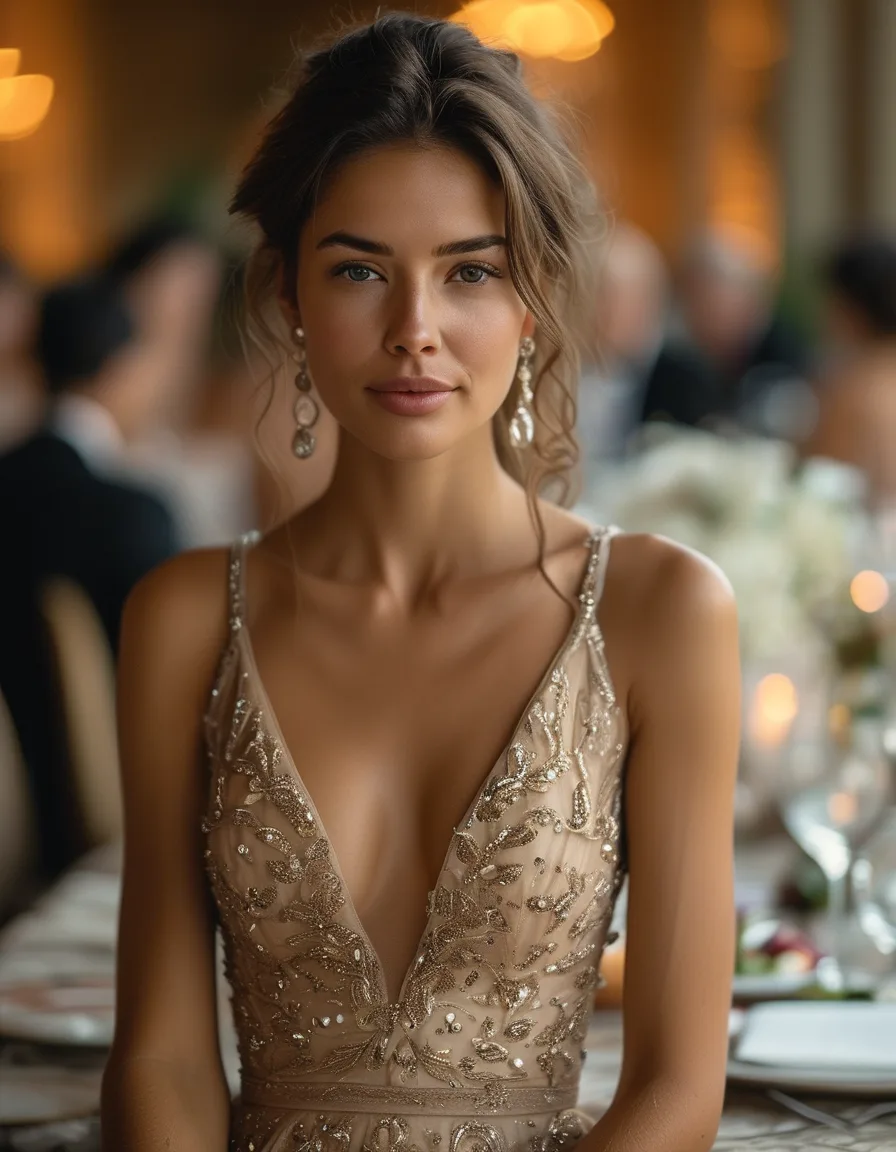
Nailing it: the classic cocktail dress (the knee-or-midi in a rich fabric — the LBD from the classic logic being the code’s home; the color legitimacy beyond black per the color logic), the jumpsuit power play (the tailored wide-leg jumpsuit being fully cocktail — the modern answer from the party logic; the heel-and-earring finish), the separates sophistication (the silk top with the fluid trouser-or-midi-skirt — the evening separates from the occasion logic; the texture doing the formality), the suit option (the sharp suit with a silk cami — the tailoring-as-evening move per the blazer logic), the summer-cocktail edition (the garden-and-rooftop versions — the breezier fabrics at the same polish per the summer-evening logic), the shoe-and-bag finish (the heeled-or-dressy-flat tier with the small bag — the accessories carrying half the code per the accessory logic), and the jewelry register (the statement earring OR the layered delicate — the one-statement rule at cocktail voltage).
The Mistakes Corrected
The common misjudgments: the too-casual slide (the sundress-and-sandals reading garden-party — the daytime fabrics at an evening code; the fix being fabric-and-shoe upgrades), the too-formal overshoot (the floor gown at cocktail reading miscalibrated — the gown saved for black-tie per the code ladder), the office-clothes trap (the workday sheath unconverted — the work-to-evening swap kit: the shoe, earring and lip converting per the transition logic), the sparkle calibration (the sequins being legitimate at cocktail in DOSES — the full-sequin gown tipping formal; the sparkle-accent middle), the coverage misread (the cocktail permitting sleeves-and-coverage elegantly — the coverage-as-style from the ageless logic; the skin being optional, not required), the fit non-negotiable (the code nailed by FIT more than any item — the tailoring logic at evening stakes), and the closing frame (the cocktail decoded to a sentence — the rich-fabric knee-to-midi elegance with dressy accessories; the ambiguity answered upward; the room entered correctly calibrated). Rich fabric, knee-to-midi energy, dressy finish: the code, cracked.
Cocktail means the middle: elevated-but-not-gown — a knee-to-midi dress in a RICH fabric (silk, crepe, structured knit — fabric carries the formality), a tailored jumpsuit, or evening separates, finished with dressy shoes and one statement. The classic mistakes are daytime fabrics sliding too casual and floor gowns overshooting; at ambiguity, err slightly overdressed.
Keep Reading
This article is for general styling and informational purposes only. Trends, sizing, availability and pricing may vary by brand and season.