The Real Signals That Tell People an Outfit Is Formal (Beyond Just 'Dressy Fabric')
Occasion dressing advice tends to reduce formality to fabric choice alone — silk and satin read formal, cotton and denim don’t — when the actual perception of formality gets built from several specific visual signals working together, and understanding those signals individually makes it considerably easier to dial formality up or down deliberately for a specific event.
The Specific Signals That Actually Communicate Formality Together
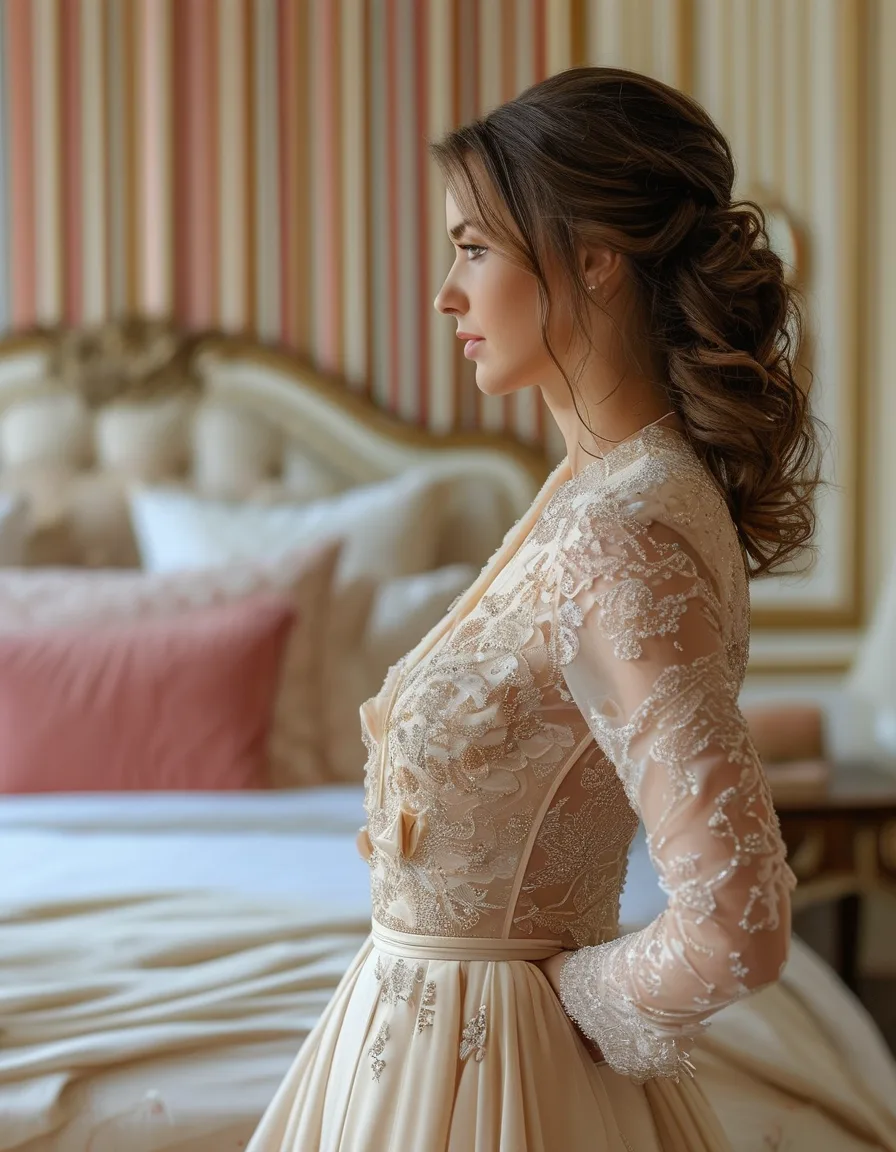
Formality reads through a combination of fabric sheen and structure, hemline and coverage level, how defined or precise the silhouette is, and how polished the accessories and finishing details are — fabric alone is just one of several signals, and an outfit can genuinely read more formal through a highly defined silhouette and polished accessories even in a relatively casual fabric, or read less formal despite a technically dressy fabric if the silhouette is loose and the accessories are casual.
Why Treating Fabric as the Only Signal Genuinely Misleads
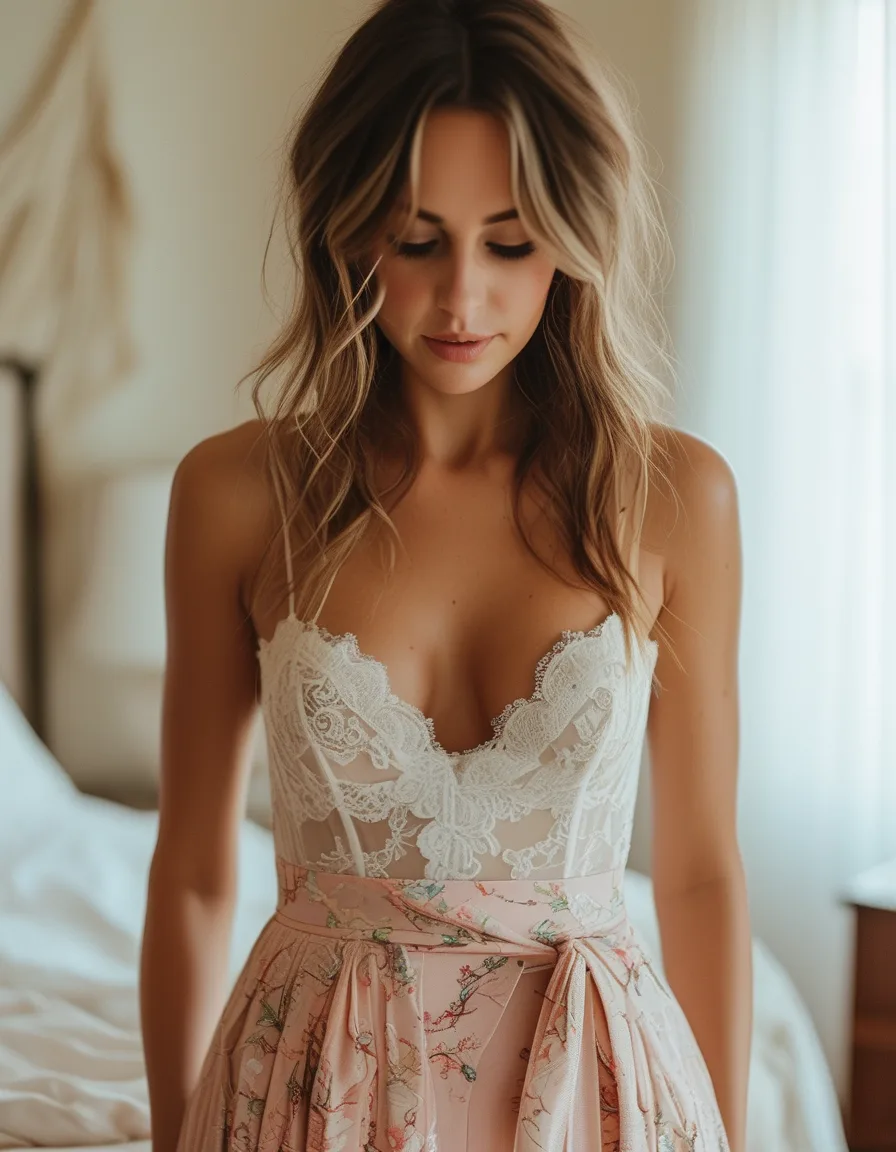
Relying on fabric alone as the formality indicator leads to outfits that are technically ‘dressy’ by fabric but don’t actually read as appropriately formal once silhouette and accessory signals are factored in, or conversely, outfits that feel too casual by fabric standards but actually read as appropriately dressed up once those other formality signals are accounted for.
Dialing Formality Level Deliberately Using These Signals
To dress an outfit up for a more formal event, add a genuinely defined silhouette and more polished accessories rather than only reaching for a dressier fabric, and to dress an outfit down for a more casual event, loosen the silhouette and simplify the accessories rather than only switching to a more casual fabric — adjusting silhouette and accessory signals specifically gives considerably more precise control over perceived formality than fabric swaps alone.
Formality gets communicated through fabric sheen and structure, hemline and coverage, silhouette definition, and accessory polish working together, not fabric choice alone, which means an outfit can read more formal through a defined silhouette and polished accessories even in casual fabric, or less formal despite dressy fabric if the silhouette is loose — so dialing formality up or down deliberately by adjusting silhouette and accessory signals specifically gives more precise control than relying on fabric swaps alone.
Keep Reading
This article is for general styling and informational purposes only. Trends, sizing, availability and pricing may vary by brand and season.